Export Packaging and Shipping of Fluid Control Components: A Buyer's Checklist for US and European Markets
Solenoid valves, pneumatic control valves and actuators are compact metal products, but export damage rarely comes from crushing alone. The most common problems are damaged threads and connector ports, contamination entering open ports, corrosion from sea-air moisture, and cartons that fail at the pallet level. This guide explains how export-ready packaging works, which freight modes and documents matter, and which questions buyers in the United States and Europe should put to their supplier before goods leave the factory.
Why Export Packaging Matters for Fluid Control Components
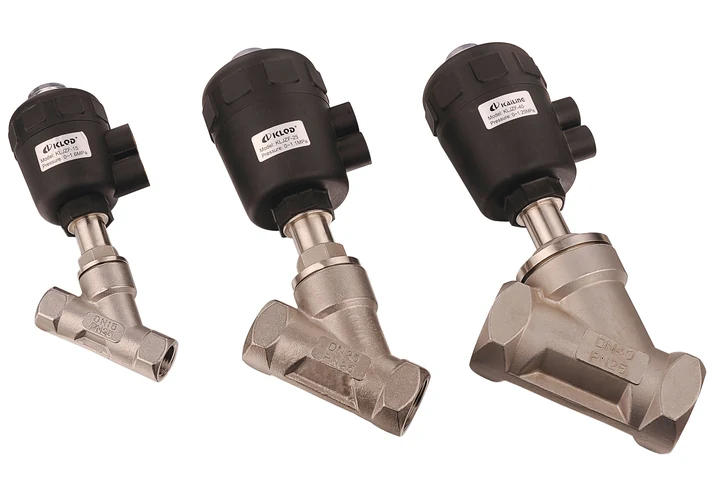
Pneumatic components are precision fluid control components, and several of their failure modes are invisible on arrival:
- Open ports collect contamination. Dust, moisture and packaging debris that enter a valve body during transit can affect sealing and response after installation.
- Threads and connection faces are fragile. Brass and stainless bodies dent easily, and damaged threads turn a working valve into scrap.
- Sea containers cycle through humidity. Cartons and inner protection must cope with condensation on long ocean voyages to the US West Coast or Northern European ports.
- Stacking loads are real. Master cartons at the bottom of a palletized load carry significant compression, especially in LCL shipments where handling is frequent.
What Export-Ready Packing Looks Like, Step by Step
A typical export packing workflow for pneumatic valves and actuators:
- Final inspection before packing. Each unit should be tested and inspected before it is boxed, so defects are caught at the factory rather than at destination.
- Individual protection. Plastic caps or plugs in every port, protective sleeves on threads, and coil or connector protection on solenoid valves.
- Inner boxes. One box per unit or set, sized so parts cannot shift.
- Master cartons. Double-wall cartons, sealed, with desiccant where the route or season warrants it.
- Palletizing. Cartons aligned to the pallet edge with no overhang, strapped and stretch-wrapped, with edge protection where needed.
- Marking. Model numbers, quantities, purchase order reference, gross and net weight, country of origin and handling marks on every master carton.
Wooden Pallets, Crates and Destination Packaging Rules
Wood packaging treatment and marking requirements vary by destination. Before shipment, confirm the applicable wood packaging treatment and marking requirements with your customs broker, or share your destination country and port details with the supplier so packaging arrangements can be reviewed together.
If wooden pallets or crates are used, ask the supplier to make the relevant treatment and marking information available before shipment. If you prefer plastic pallets or no-pallet FCL loading, agree this with the supplier in writing before production is completed, because pallet choice affects both cost and container utilization.
Choosing the Freight Mode
| Mode | Best suited for | Trade-offs |
|---|---|---|
| International express | Samples, spare parts, urgent small orders | Highest cost per kg; simple customs handling in most cases |
| Air freight | Urgent production orders | Fast but costly; dimensional weight rules apply |
| Sea LCL | Mixed orders below a container load | Lower cost, but more handling and longer transit; strong cartons matter most here |
| Sea FCL | Orders matching the container plan | Compare the full route and handling risks; agree carton strength, load restraint and moisture protection |
For a first shipment, many buyers start with express for samples and sea LCL for the first production order, then move to FCL once order volumes stabilize.
Export Documents to Confirm Before Shipment
The core document set for US and European imports is usually:
- Commercial invoice
- Packing list
- Bill of lading (sea) or air waybill
- Certificate of origin where the importer or customs broker requires one
Ask early about any additional documents your import process needs, and confirm the exact consignee, notify party and goods description before the booking is made, because corrections after the bill of lading is issued are slow and expensive.
Incoterms Basics for US and European Buyers
Request the proposed trade term, edition and named place or port. Confirm who arranges each transport leg, export and import formalities, insurance, duties, destination handling and delivery access with the supplier and your appointed forwarder or customs broker. The available term and obligations must be agreed for the actual order; this checklist does not establish a company-wide shipping policy.
What Ningbo Kailing Pneumatic Confirms Before Packing
Ningbo Kailing Pneumatic Co., Ltd. specializes in the production of fluid solenoid valves, pneumatic control valves and pneumatic actuators. Request the inspection scope and records applicable to the ordered model, and confirm stock, production completion and dispatch timing for the actual quantity. For your specific order, request written confirmation of the packing specification, carton marking format, pallet type and document list for your destination port or airport.
Pre-Shipment Checklist for Buyers
| Item | What to confirm with the supplier | Why it matters |
|---|---|---|
| Port protection | Caps or plugs in every port on every unit | Prevents internal contamination in transit |
| Inner and master cartons | Box-per-unit layout and double-wall master cartons | Absorbs stacking and handling loads |
| Pallet type | Appropriate wooden or plastic pallets for the destination | Avoids customs rejection or re-palletizing at destination |
| Wood packaging rules | Treatment and marking requirements for the destination country and port | Helps prevent clearance or receiving problems |
| Moisture control | Desiccant and sealed cartons where required | Protects coils and sealing surfaces on sea routes |
| Marking | Model, quantity, PO, weights, origin, handling marks | Speeds up receiving and customs clearance |
| Documents | Invoice, packing list, B/L or AWB, origin certificate | Prevents clearance delays at destination |
| Incoterm | Agreed in writing with the named port or address | Defines who pays and who clears |
FAQ
How are pneumatic valves usually packed for sea freight?
Individually capped, boxed per unit, packed into double-wall master cartons with desiccant where needed, then palletized, strapped and stretch-wrapped. LCL shipments need the strongest cartons because they are handled most often.
Do wooden pallets need special treatment for export?
Wood packaging treatment and marking requirements vary by destination. Confirm the applicable requirements with your customs broker before booking, or agree to use plastic pallets if that better suits your import process.
Can samples be shipped by international express?
Yes. Sample quantities of valves and actuators are commonly sent by express. Provide a clear commercial description and value so customs declaration is straightforward.
Which Incoterm should a first-time importer choose?
Choose the term with the supplier and your appointed forwarder or customs broker after confirming responsibilities, destination requirements and the full cost scope. Do not select solely from experience level or the term name.
What information does the supplier need to plan packing and freight?
Destination port or address, order quantity, whether pallets are required, the Incoterm, and any destination-specific document requirements. Sharing these before production ends avoids repacking and re-booking.
Next Step
Planning an order of pneumatic valves or actuators for the United States or Europe? Contact KLQD Kailing through www.kailingfluid.com with your packing, pallet and document requirements, and request written confirmation of the export packing specification before your order is finalized.
Need a quotation?
Send the page link, quantity, drawings and working conditions to Kailing for review.