Practical pneumatic buyer guides.
Selection notes, RFQ checklists and application questions for buyers comparing pneumatic components and supplier options.
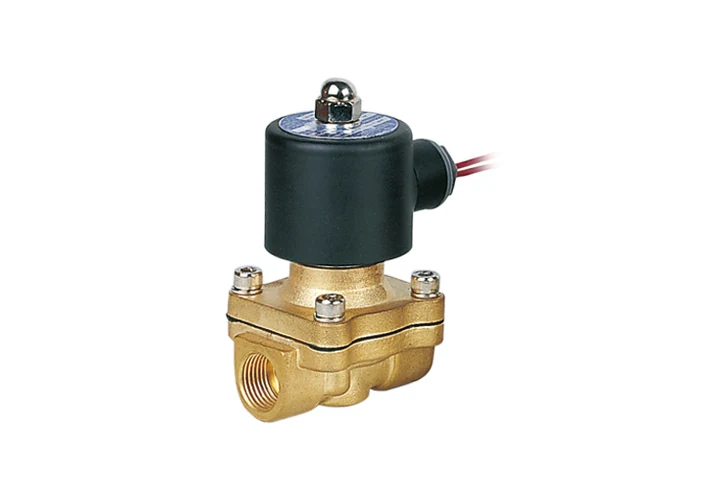
Solenoid Valve Voltage, Duty Cycle and Enclosure Selection for Export Machinery →
A practical selection guide for solenoid valve voltage, coil duty cycle and IP65 enclosure choices in export machinery and OEM fluid control systems.
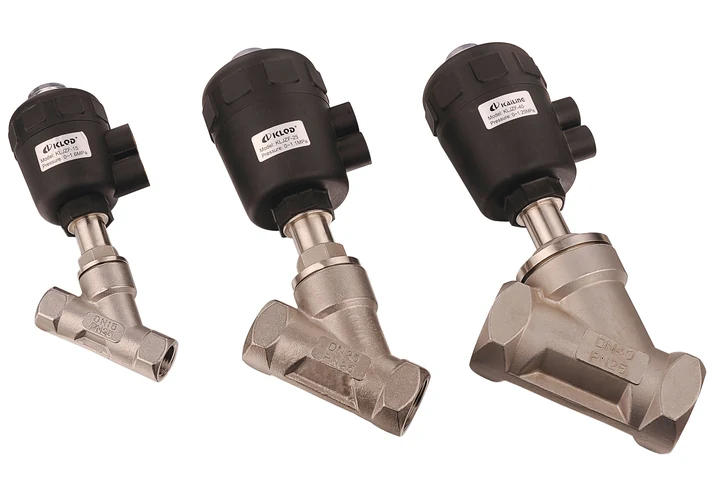
Export Packaging and Shipping of Fluid Control Components: A Buyer's Checklist for US and European Markets →
How pneumatic components are packed and shipped for export: port protection, cartons, pallets, documents, Incoterms and a buyer checklist for US and EU imports.

How to Choose Air Preparation Units (FRL) for Your Pneumatic System →
A practical FRL selection guide for B2B buyers: match filter grade, regulator capacity, port size and mounting to real pneumatic system conditions.
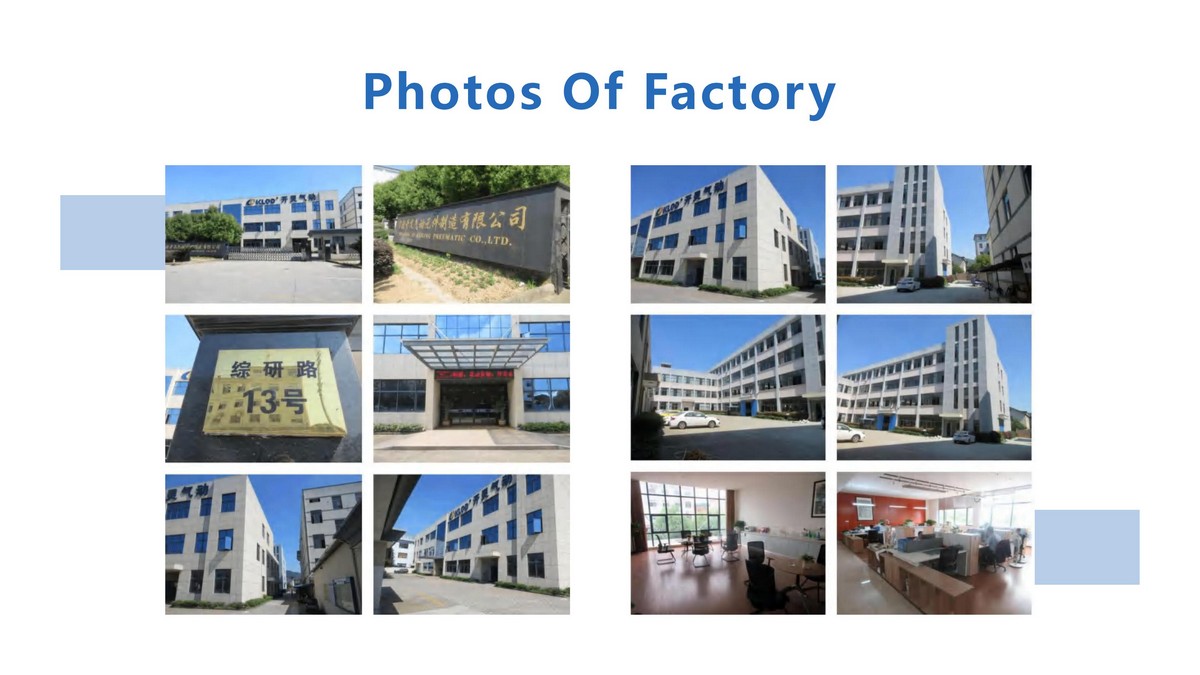
Kailing Factory Visit: Product and Document Review Checklist →
Plan a Kailing factory visit in Ningbo: review the relevant production steps, model documents, inspection records, samples and quotation requirements.

How to Calculate Pneumatic Actuator Torque for Valve Automation →
Calculate preliminary pneumatic actuator torque for fluid control components using a hypothetical example, an evidence checklist and engineering review.
Leak Detection and Energy Efficiency in Pneumatic Systems →
Plan pneumatic leak assessments for fluid control components, define test requirements, and separate leakage measurements from electrical energy savings.
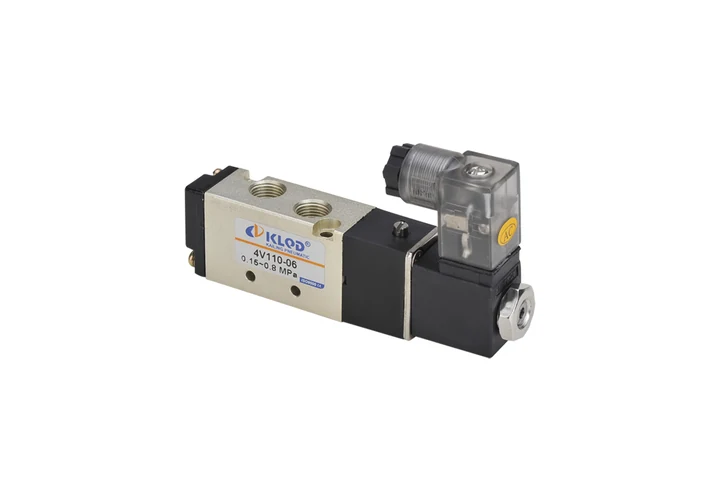
VX2225 Replacement Review: 2W Options and RFQ Checks →
Review a VX2225 replacement request against 2W options: function, flow, thread, dimensions, seals and the complete 120V 60Hz supply conditions.
Top 5 Industrial Applications of Solenoid Valves and Recommended Types →
Top 5 industrial applications of solenoid valves and the recommended valve type for each: water, pneumatic automation, vacuum, high pressure and flanged lines.

Kailing 5/2 Way and 5/3 Way Pneumatic Solenoid Valves 1/8" to 1/2" for Factory Automation and Cylinder Control →
5/2 & 5/3 way pneumatic solenoid valves, 1/8"–1/2" ports, for double-acting cylinder control. Kailing 4V series guide: checklist, FAQ, fast quote.
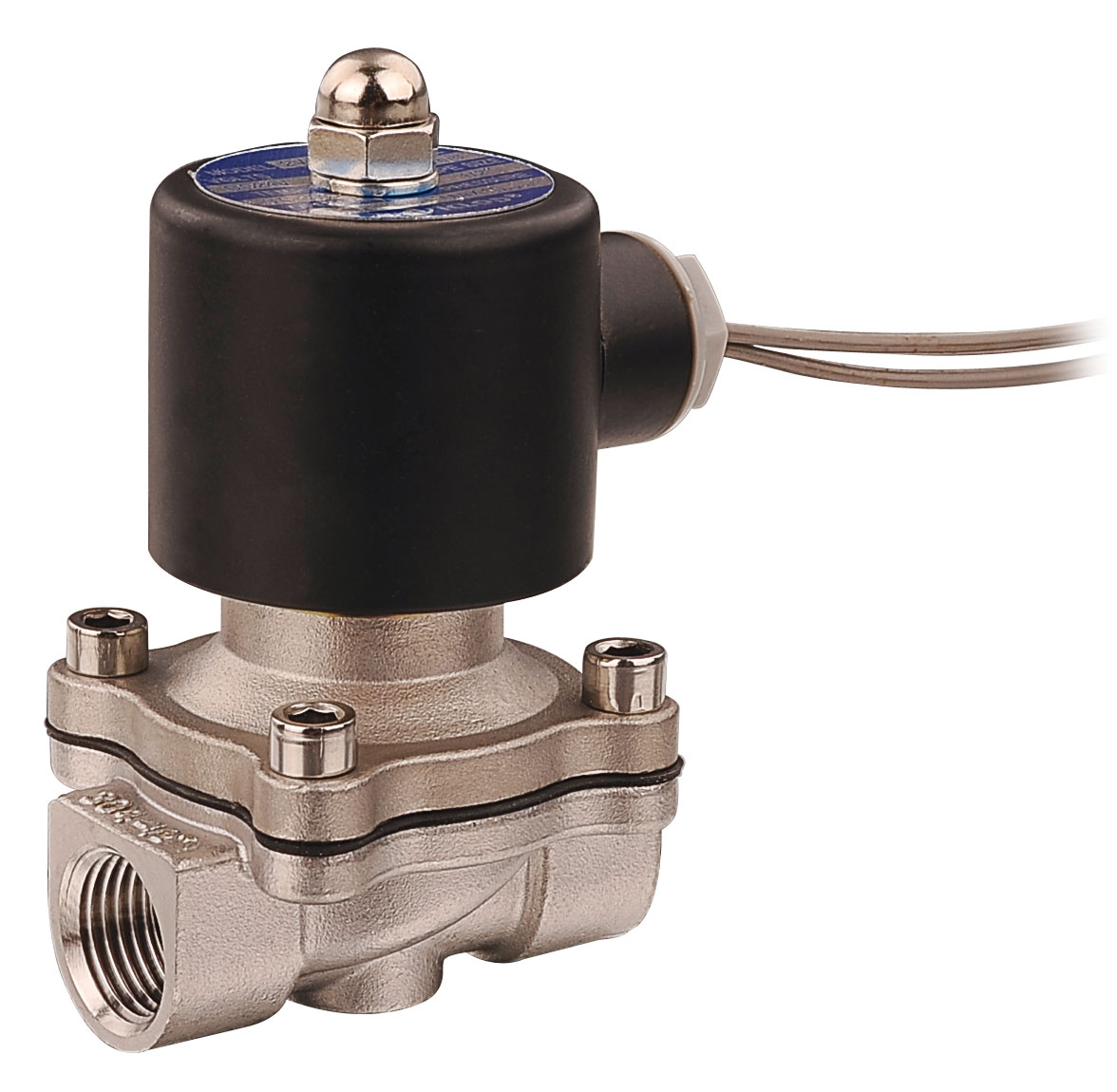
2WB500-50 DN50 Solenoid Valve: Water-Treatment RFQ Checks →
Review 2WB500-50 DN50 port and Cv data; confirm RO duty, wetted materials, seal, pressure, flow and connection before ordering.
4V210-08 Solenoid Valve FAQ: 3C Assembly Lines, Manifold Integration and How to Choose →
Review 4V210-08 function, catalog data, coil and wiring, manifold interfaces and RFQ requirements for a 3C assembly-line application.
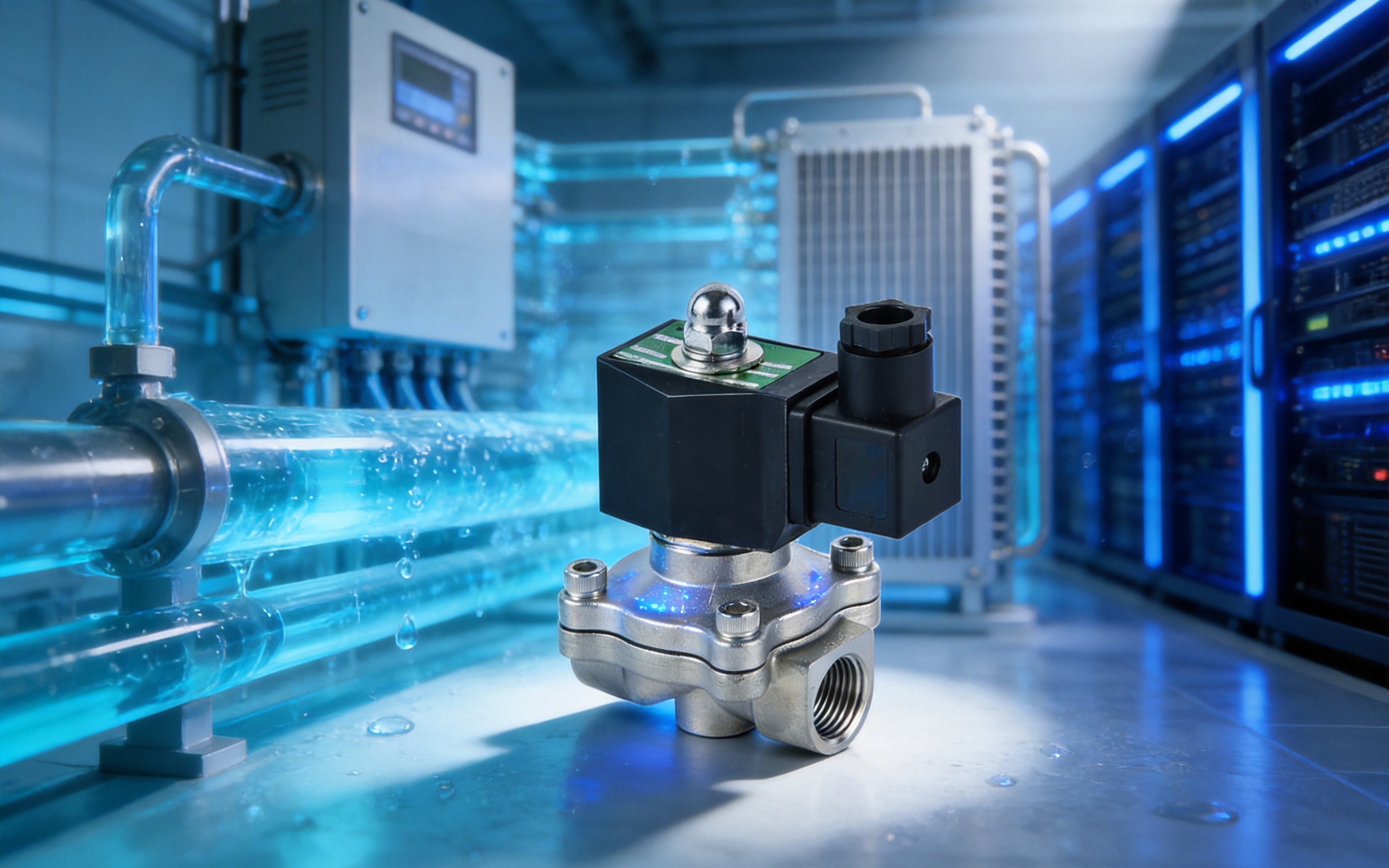
2WB160-15 Solenoid Valve: Cooling-Duty RFQ Checks →
Review 2WB160-15 port, Cv and catalog options; confirm coolant compatibility, CDU flow, coil protection and installation before quotation.
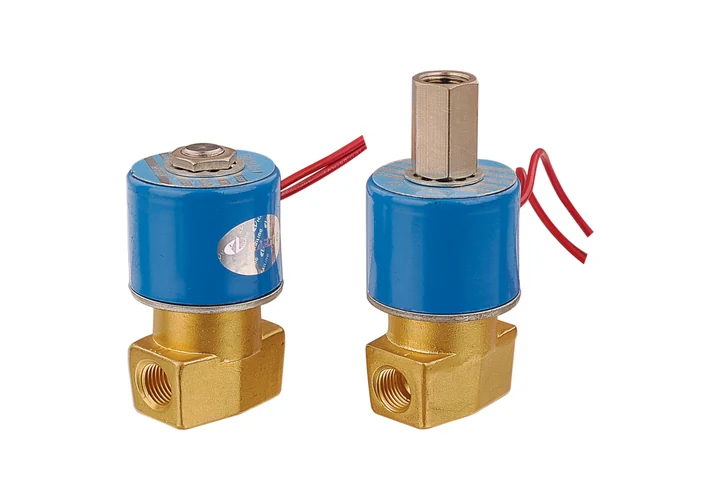
QX23 Two-Position Three-Way Direct-Acting Solenoid Valve for Vacuum Packaging Machines →
QX23 two-position three-way direct-acting solenoid valve for vacuum packaging machines: 1/4 and 3/8 in, 0-0.9 MPa, four seal options, AC/DC coils, OEM support.
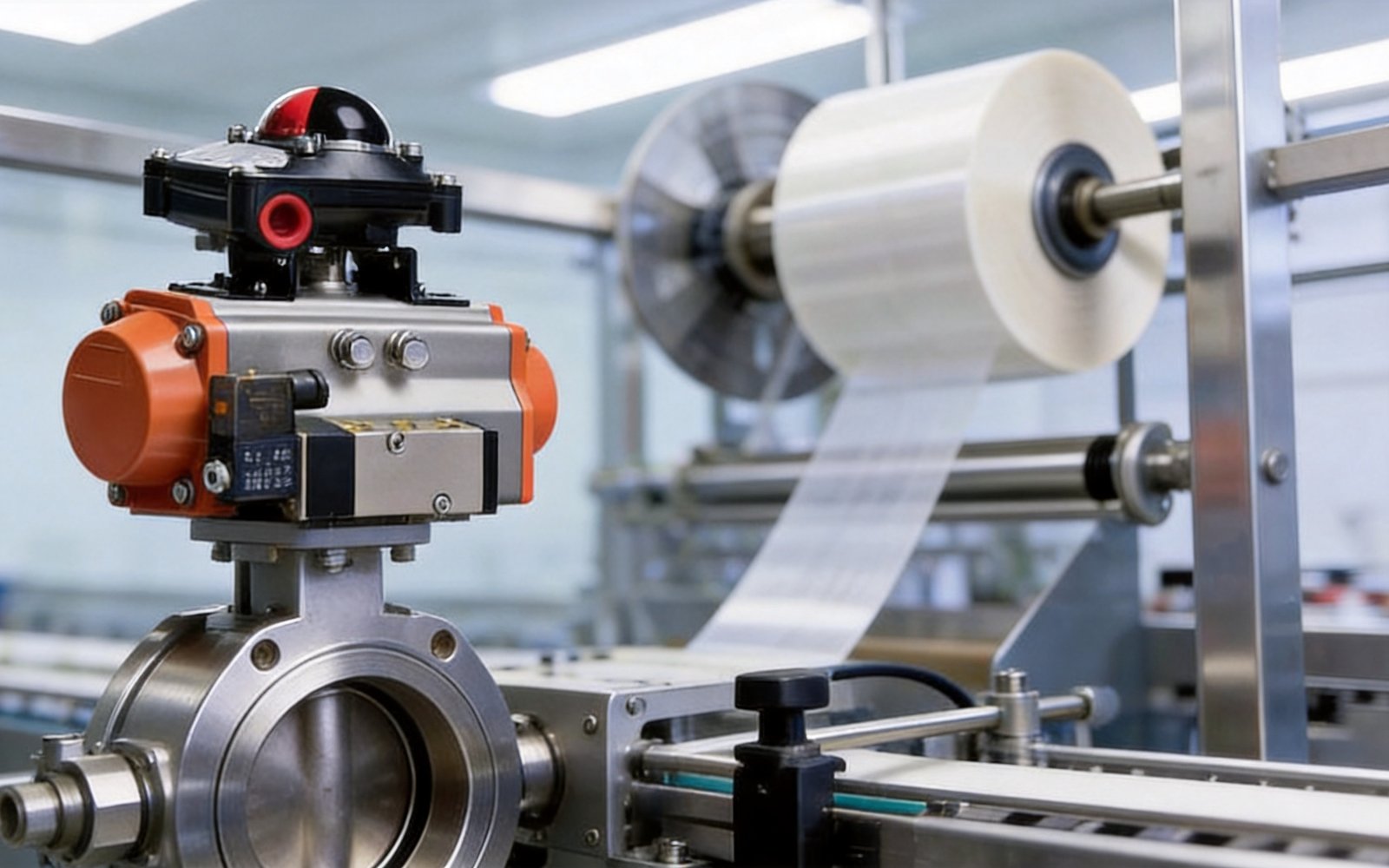
Manual Valve to Pneumatic Actuation: AT-SR Retrofit Checklist →
Check valve torque data, mounting interfaces, available air and the required return behavior before specifying an AT-SR retrofit for an existing manual valve.
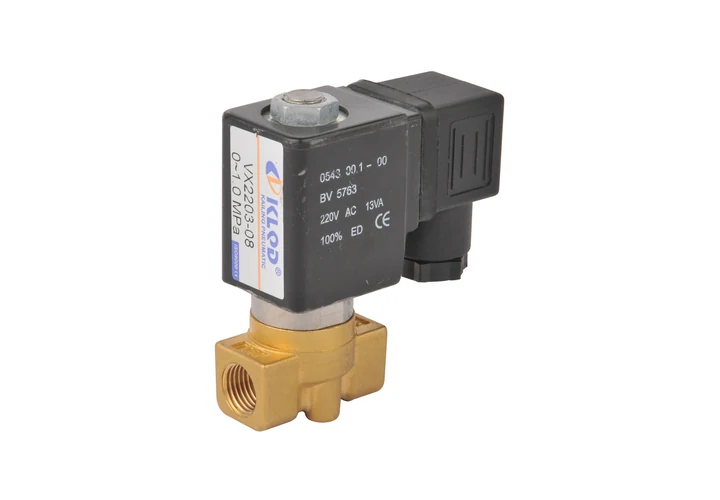
VX22 Series Vacuum Solenoid Valve: Direct-Acting Selection Guide for Vacuum and Low-Pressure Lines →
VX22 direct-acting vacuum solenoid valve: 1.5-4.0 mm orifice, 1/8 or 1/4 in ports, 0-3.0 MPa at 1.5 mm, NBR/EPDM/VITON/silicone seals, AC/DC coil options.
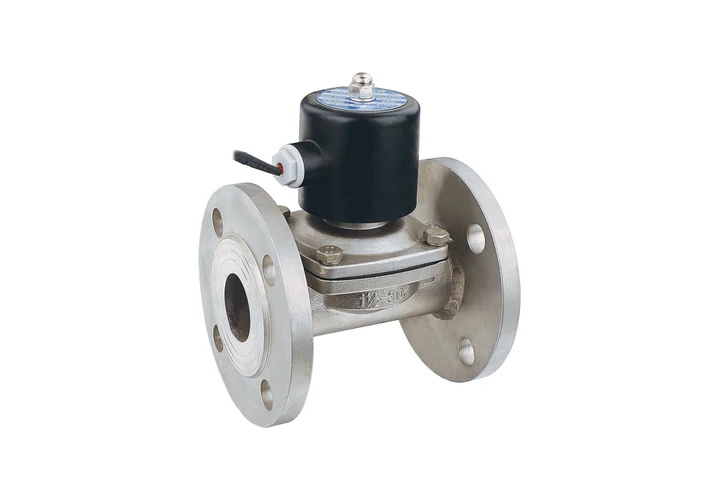
2WBF Flanged Stainless Steel Solenoid Valve: Selection Guide for Fluid Lines →
Review the 2WBF flanged valve model table, seal options and connection drawing; confirm medium, pressure, voltage and flange details for the RFQ.
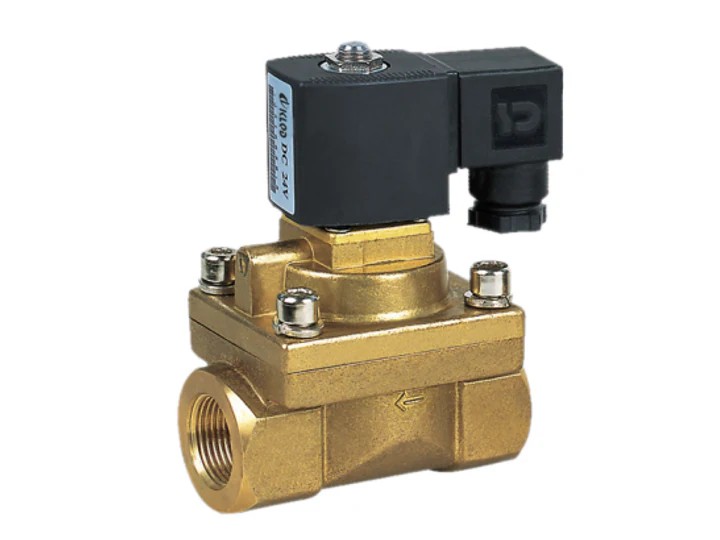
0.3-5.0 MPa High-Pressure Solenoid Valve: KL523 Selection Guide →
KL523 high-pressure solenoid valve: 1/4-1/2 in models hold 0.3-5.0 MPa, 3/4-1 in hold 0.3-3.5 MPa. Piston design, IP65 coil, port and coil selection.
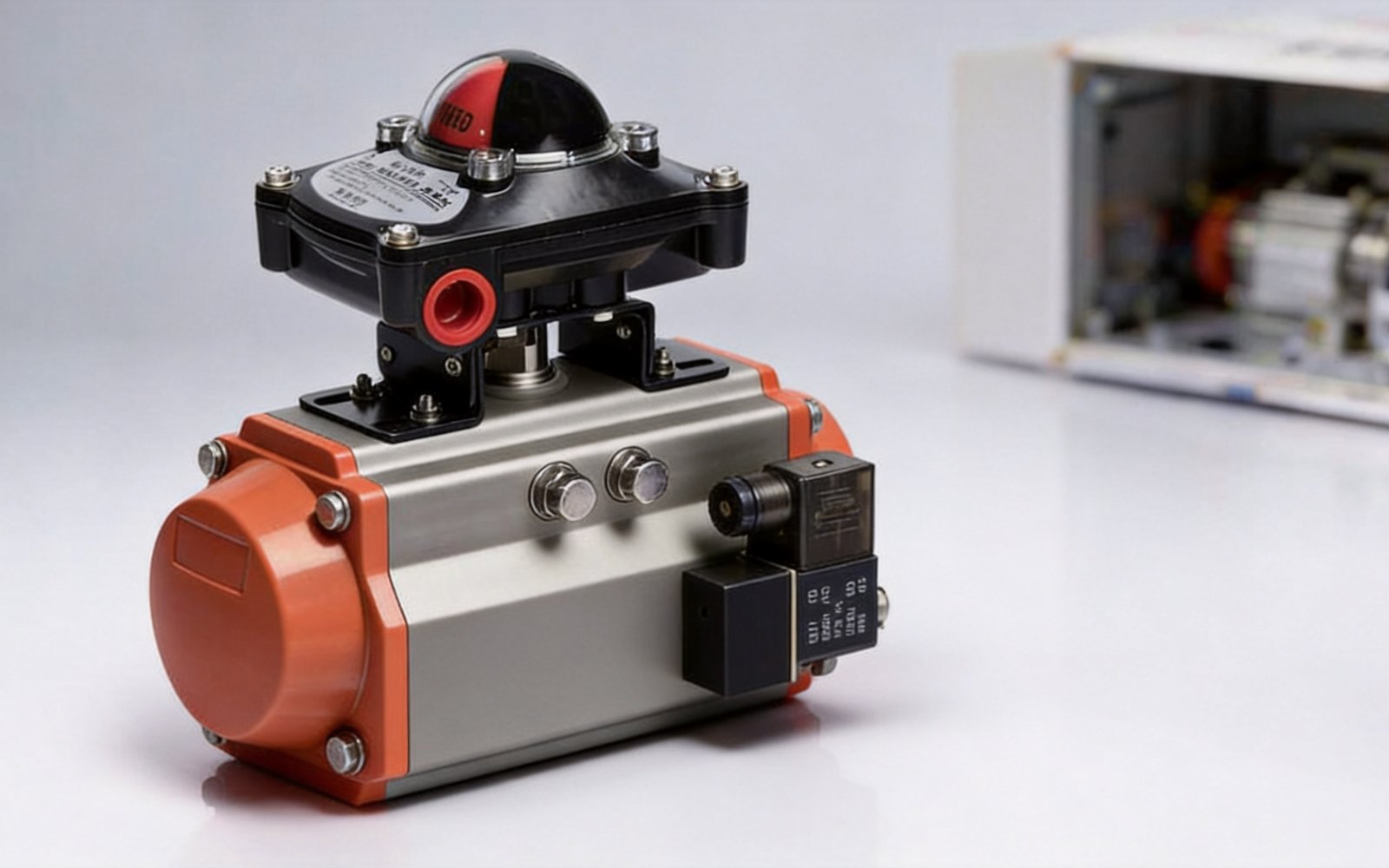
Namur-Standard Pneumatic Actuators for EU Packaging Machinery →
Review actuator accessory drawings, valve mounting, torque, return behavior and air supply for packaging machinery before confirming compatibility.

Pneumatic Ball Valves for Oil & Gas: A Buyer's Selection Guide for Middle East Projects →
KAILING Q-series pneumatic ball valves for oil & gas: DN10-DN200, WCB/SS304/SS316, PTFE seats, 1.6-4.0 MPa, AT actuators, fail-safe options.

ISO 15552 Pneumatic Cylinder (DNC Type): Complete Selection Guide for OEM Buyers →
Complete OEM guide to ISO 15552 DNC pneumatic cylinders: bore sizing, stroke, cushioning, seals and mounting. Confirm drawings before ordering.
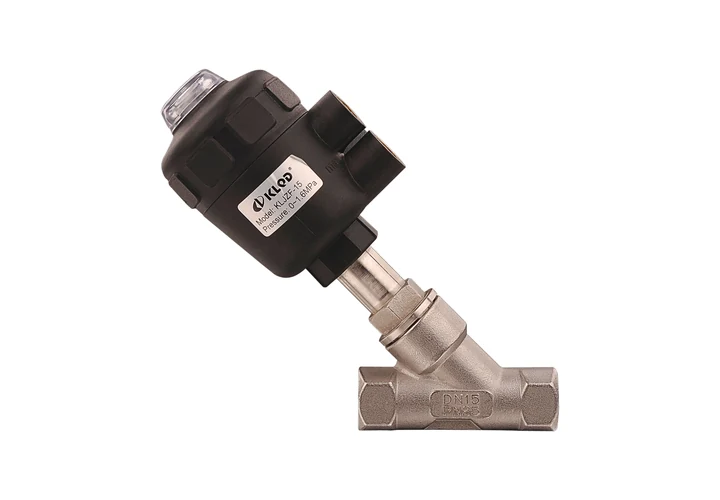
Stainless Steel Angle Seat Valve for Desalination Plants: Sizing, Materials & Buyer Guide →
How to specify a stainless steel angle seat valve for desalination: port size, Cv, 304 vs 316 stainless, seal and actuator options, plus a buyer checklist.
Pneumatic Angle Seat Valves for Packaging: Steam and Wash-Water Checklist →
Check process conditions, pilot air, connections and model documents before selecting a KLJZF pneumatic angle seat valve for packaging machinery.

How to Choose a Pulse Jet Solenoid Valve for Baghouse Dust Collection: Sizing, Materials & Custom OEM Guide →
Prepare a baghouse pulse-valve RFQ: compare mounting types, pulse demand, medium, pressure, coil, diaphragm and the installation drawing.

How to Choose a High-Pressure Solenoid Valve: Pressure Ratings, Materials & Custom OEM Guide →
Review high-pressure valve requirements: working and differential pressure, medium, temperature, materials, flow, coil and connection details.

How to Choose a High-Temperature Solenoid Valve: Media, Materials & Custom OEM Guide →
Prepare a hot-water, steam or thermal-fluid valve RFQ: confirm model-specific materials, temperature, pressure, coil, connection and duty.

2WB Stainless Steel Solenoid Valves: Model Selection Checklist →
Review 2WB stainless solenoid valves by medium, seal, pressure differential and port. Compare 2W brass and 2WBF flanged options with model-specific data.

US(2L) Steam Solenoid Valves: Pressure and Seal Selection →
Select a US(2L) steam solenoid valve using inlet/outlet pressure, temperature, operating mode and seal data. Prepare model-specific details for an RFQ.

Solenoid Valve Sizing: Flow, Cv, Pressure and Voltage Checklist →
Prepare a solenoid valve sizing request with flow units, inlet/outlet pressure, medium and coil details. Avoid selecting by pipe size or voltage alone.

Q22HD Pneumatic Valve RFQ Verification →
Prepare a Q22HD inquiry: confirm exact model data, materials, media, pressure, actuation and document scope before accepting a quotation.

Stainless Steel Solenoid Valves: Model Selection and Custom RFQ Guide →
Specify a stainless steel solenoid valve with Kailing: compare 2WB models, confirm materials and seals, and prepare the operating details for a custom quote.
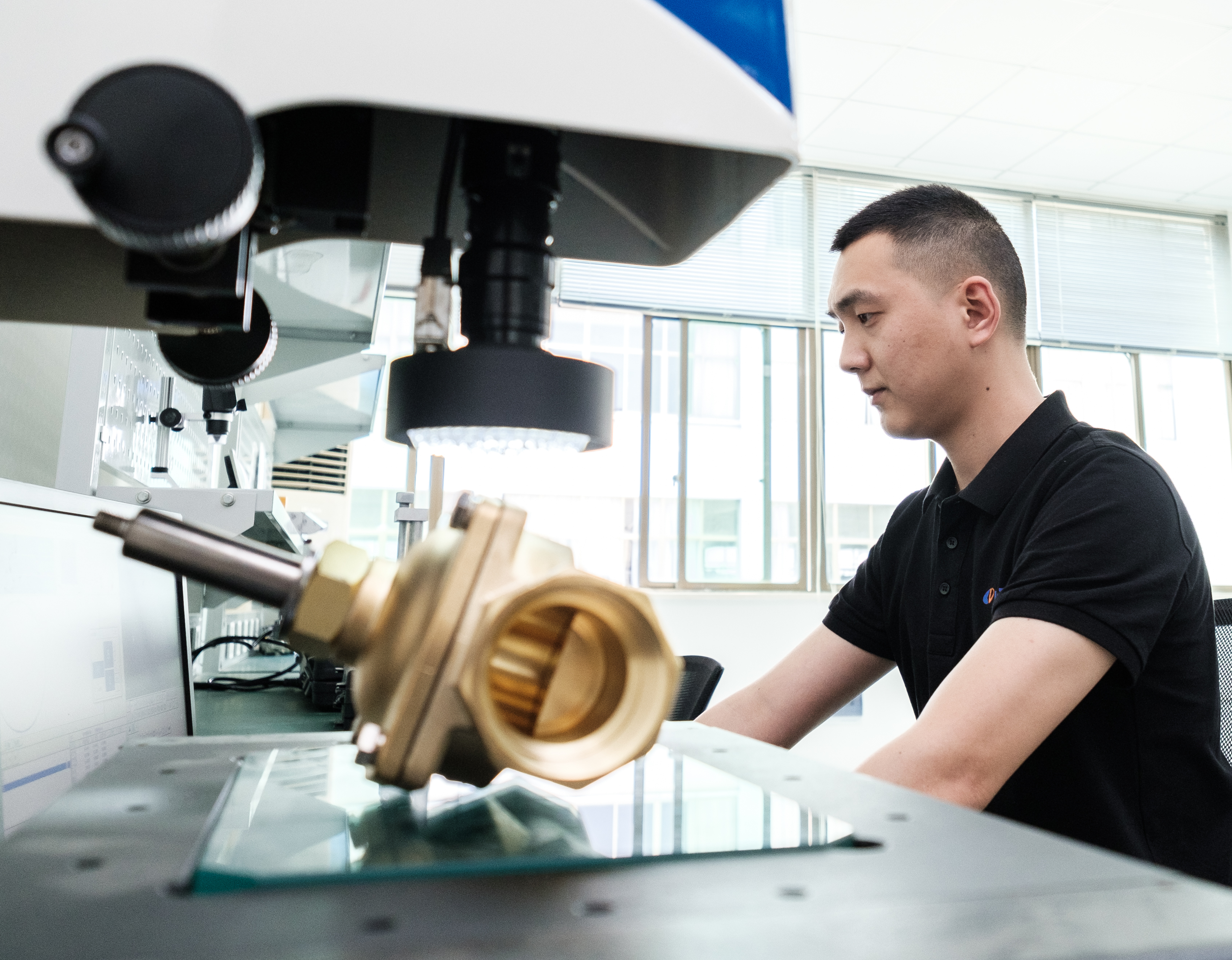
OEM Pneumatic Components: Customization and RFQ Checklist →
Plan an OEM pneumatic component project: compare standard models, define changes, submit drawings and agree sample checks before production quotation.
Fluid Control Components Buyer's Guide: Selection Checklist & FAQ →
Compare fluid-control requirements and prepare a clear RFQ: medium, pressure, flow, connection, materials, documents, samples and order terms.
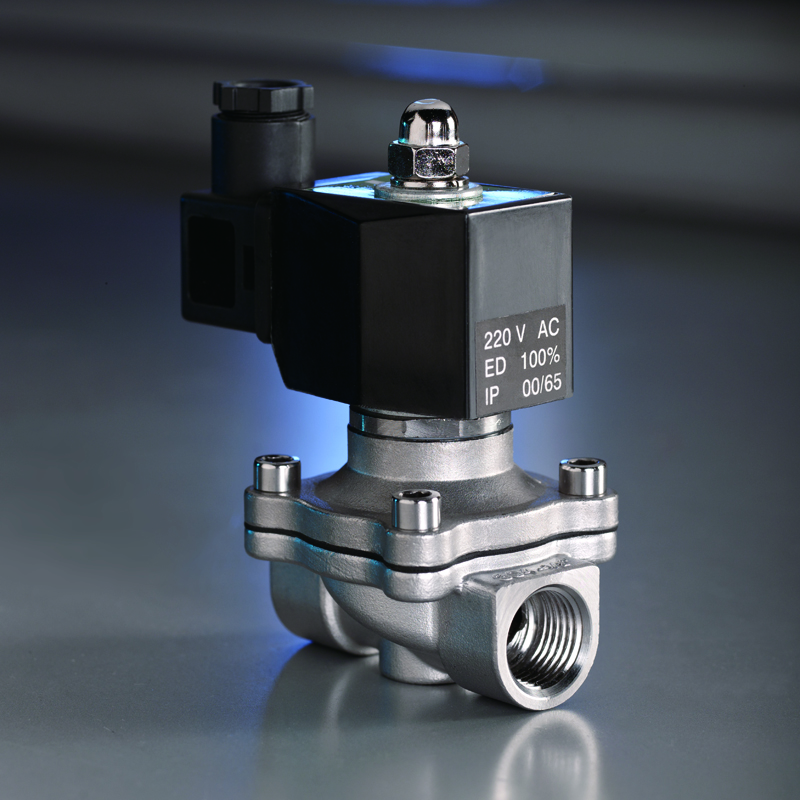
Stainless Steel Solenoid Valve Supplier: Evidence Checklist →
Evaluate a stainless solenoid valve supplier using model data, drawings, material evidence, sample checks and written quotation terms for your application.

How to Choose Fluid Control Components for Overseas Purchasing Projects →
Compare overseas component quotations using the exact medium, pressure, flow, materials, documents, sample scope and confirmed supply schedule.

How to Choose Fluid Control Components for Overseas Purchasing Projects →
Prepare overseas component orders by checking medium, pressure, flow, materials, electrical data, documents, MOQ and confirmed delivery stages.

Quality Checklist for Fluid Control Components Suppliers →
Use this practical B2B quality checklist to evaluate fluid control component suppliers: certifications, material testing, lead times, MOQ and more.

FAQ and Quote Checklist for KLQD · Ningbo Kailing Pneumatic — Precision Pneumatic Components Since 2003 →
Prepare a complete RFQ for KLQD pneumatic solenoid valves, manifolds, and fluid control components. Checklist, direct answers, and FAQs for B2B buyers.

Pneumatic Ball and Butterfly Valve Packages: RFQ Checklist →
Specify a pneumatic valve package with valve duty, actuator torque, air pressure, return position and accessory signals. Prepare a complete RFQ.

Pneumatic Actuator Accessories: A Buyer's BOM Checklist →
Build an actuator accessory BOM and confirm control function, electrical signals, mounting interfaces and itemized supply scope before requesting a quotation.

Double Acting vs Spring Return Actuators: Selection Guide →
Compare AT-DA and AT-SR pneumatic actuators by valve torque, minimum air pressure, return position, mounting and accessories before requesting a quote.

Angle Seat Valve vs Solenoid Valve for Water, Steam and Process Lines →
Compare fluid solenoid and pneumatic angle seat valves by medium, flow, pressure, pilot air, connection and the required operating sequence.

2/2 vs 3/2 vs 5/2 Solenoid Valves: Which Circuit Needs Which? →
Compare 2/2 fluid shutoff, 3/2 single-acting air control and 5/2 double-acting circuits. Check valve symbols, model data and replacement details.

Solenoid Valves for Air, Water, Oil or Steam: Selection Guide →
Choose a solenoid valve by medium, circuit function, materials and operating conditions. Compare 2W, 2WB, 4V200 and US(2L) starting points.

Pneumatic Component Pressure Conditions to Confirm Before an RFQ →
Prepare a pneumatic component RFQ with minimum, normal and peak pressure, medium, temperature, flow, connection, electrical data and quantity.

How to Choose Pneumatic Fittings and Tubing for OEM Equipment →
A practical buyer checklist for matching pneumatic fittings and tubing by pressure, tube size, environment, drawings and RFQ details.
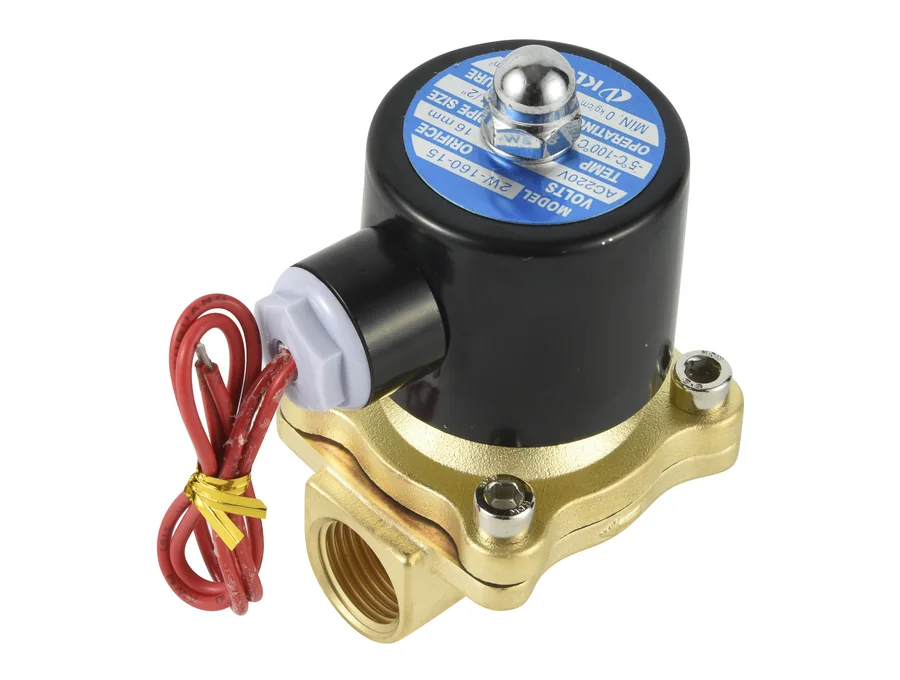
How to choose pneumatic valves for automation equipment →
Confirm the medium, pressure, temperature, voltage, port size and action logic before selecting the valve family.

What information helps Kailing quote faster? →
Send the model or drawing, quantity, destination, medium, pressure, voltage, material and certificate request for a faster review.

When should buyers use pneumatic actuators? →
Use pneumatic actuators when ball or butterfly valves need repeatable remote quarter-turn control or a spring-return fail-safe action.

Why air preparation matters in pneumatic systems →
Filtering compressed air, regulating pressure and adding lubrication where required help pneumatic circuits operate consistently.

Can standard pneumatic components be customized? →
OEM reviews can cover drawings, samples, special ports, materials, packaging, certificates and repeat-order requirements.

How to request certificates or test documents →
Share the target market, product series, model, certificate type and intended application so document scope can be confirmed.

Energy-efficient pneumatic systems: what buyers should check first →
Start with air leaks, pressure stability, right-sized air preparation, tubing losses and oversized valves or actuators.

Smart pneumatics, IO-Link and predictive maintenance: supplier questions for 2026 →
Define the pressure, flow, status and diagnostic data the circuit must provide before specifying connected maintenance features.

Compressed air leak reduction checklist for pneumatic component buyers →
Inspect fittings, tubing, cylinder seals, valve stations, drain points and pressure settings, then prioritize repairs by impact.

Pneumatic components for AI-ready industrial automation →
Connected automation still needs reliable valves, cylinders, actuators and air preparation with stable operation and clear documentation.