When buyers ask for pneumatic valves, cylinders, actuators, fittings or air preparation units, the fastest quotations usually start with clear working conditions. Pressure is the first condition to confirm, but it should be reviewed together with medium, temperature, voltage, port size, quantity and the target application.

Start with working pressure, not only model numbers
A model number is helpful, but pressure information tells the supplier whether the selected valve, cylinder or fitting is being used inside a reasonable operating range. Share the normal working pressure, peak pressure, pressure unit and whether the application sees sudden pressure changes.

Match pressure with medium and temperature
Compressed air, clean dry air, water, neutral gas and process fluids can require different seals, bodies or product families. Temperature also affects material selection. If the medium is not standard compressed air, include the fluid name, concentration if relevant, and the expected temperature range.
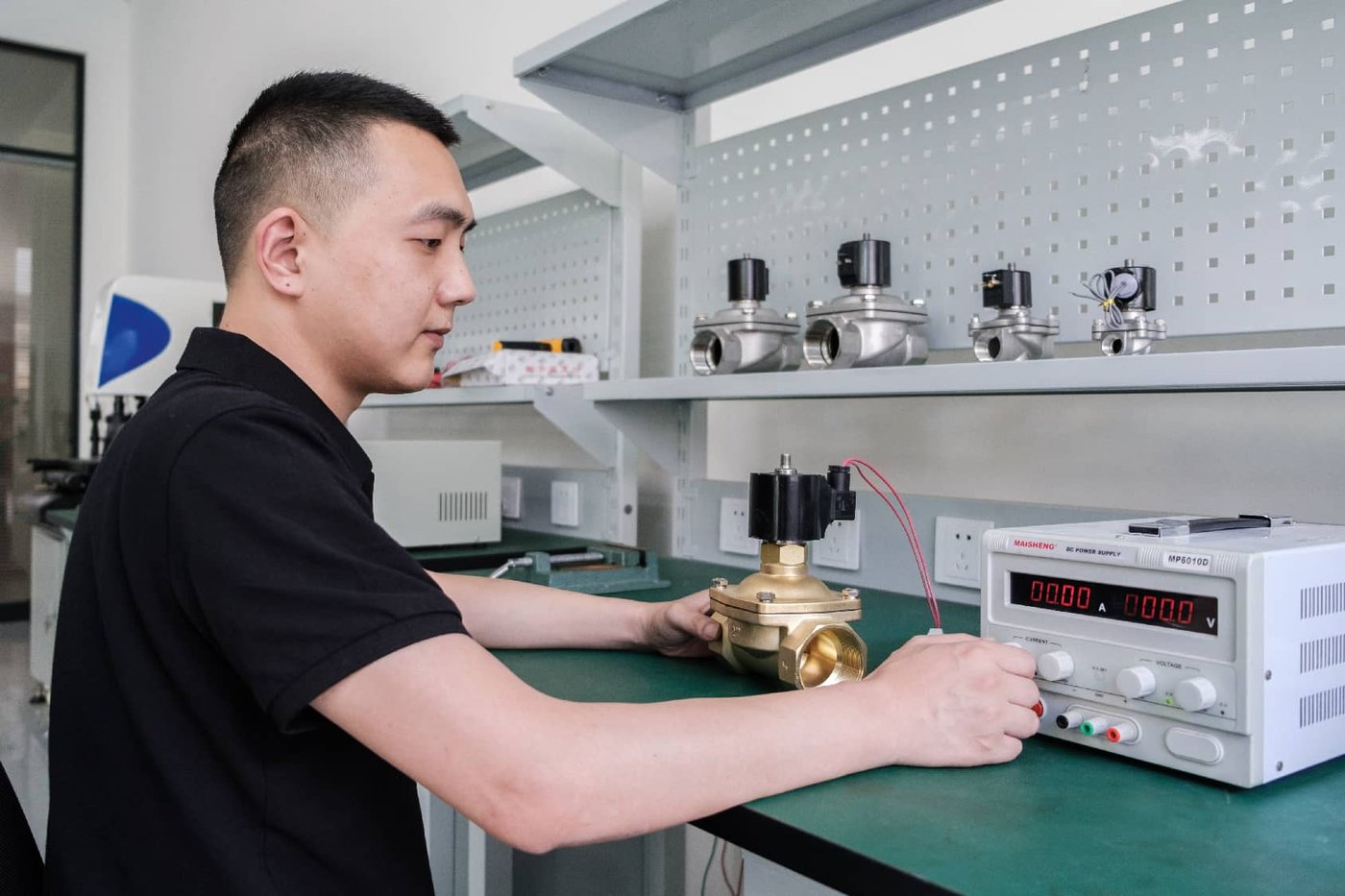
Send a complete RFQ checklist
For faster review, send the product family, model or drawing, quantity, port size, thread standard, voltage for coils or switches, material requirements, certificate needs, destination market and expected delivery timing. Photos of the old part or installation position can reduce back-and-forth questions.
Use Kailing review for standard and OEM requirements
Kailing can review catalog components and OEM/ODM requirements from the same RFQ package. For custom matching, include drawings, sample photos, packaging requirements, target price range and repeat-order expectations so the sales and engineering team can judge the route clearly.
Frequently Asked Questions
- FAQ Can I request a quote without an exact model number?
Yes. Send photos, port size, working pressure, medium, voltage if electrical parts are involved, quantity and application details. Kailing can use those details to narrow the product family. - FAQ What pressure information is most useful?
Normal working pressure, maximum pressure, pressure unit, operating frequency and whether the system has pressure spikes or fast cycling are the most useful details. - FAQ Should certificates be mentioned in the RFQ?
Yes. If the order needs CE, RoHS, IP rating documents, test reports or market-specific paperwork, mention it at the beginning so the team can confirm availability by series.
Need a quotation?
Send the page link, quantity, drawings and working conditions to Kailing for review.