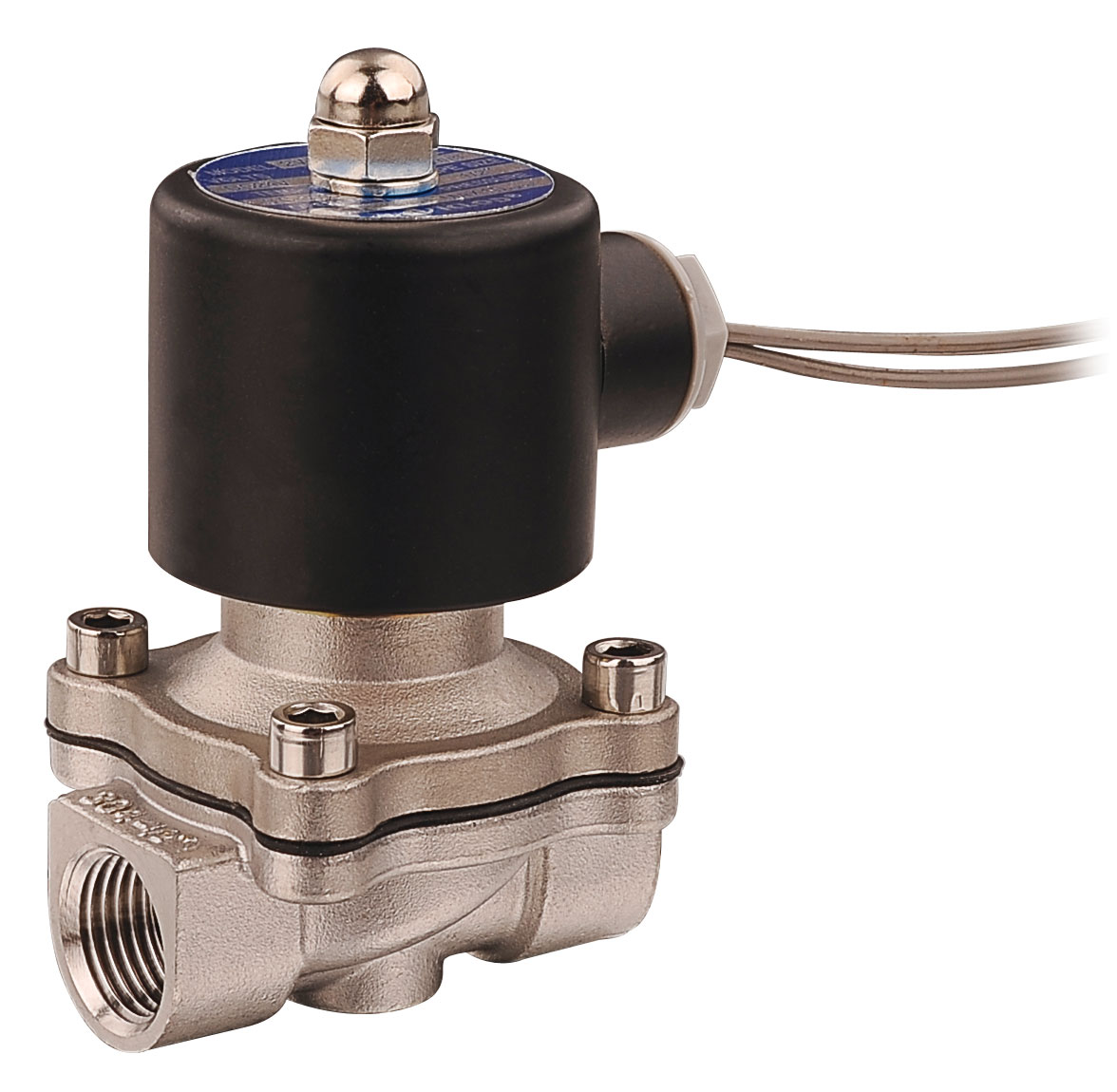
Why Evidence Requests Decide the Outcome of a Supplier Audit
Buyer audits of pneumatic component suppliers — solenoid valves, angle seat valves, actuators and cylinders — fail more often on missing evidence than on visible workshop condition. A clean production floor says little about whether a valve batch was pressure tested, which material certificate backs a stainless body, or whether the same process will apply to your order six months from now. Kailing publishes this checklist because audit evidence requests are among the most common questions we receive from buyers in the United States and Europe, and preparing them in advance saves both sides time.
The Core Evidence Checklist
Use the table below as a baseline checklist when auditing pneumatic component suppliers. Request each item against the specific model numbers in your RFQ, not against a supplier's general product range.
| Evidence item | What to request | What to verify |
|---|---|---|
| Quality management certificate | The certificate itself, its scope statement and validity dates | The scope actually covers pneumatic component manufacturing, and validity is current with the issuing body |
| Product test reports | Pressure, leak and functional test records for the exact model or family | Test conditions (medium, pressure, duration) match your application, and results are batch-linked |
| Material traceability | Material certificates or batch records for wetted parts | Alloy grades and seal materials match the specification quoted in your drawing or datasheet |
| Process control records | Incoming inspection records and in-process checks for the relevant production line | Checkpoints are defined, frequency is stated, and records show actual measured values, not just pass marks |
| Export and packaging evidence | Packing lists and marking examples from recent shipments | Identification allows each unit to be traced back to a production batch |
Certificates: Verify Scope, Not Just Copies
A certificate scan pasted into an email is not audit evidence on its own. Standards such as ISO 9001 are generic knowledge, but a supplier's claim of certification is a company assertion that must be checked: request the full certificate, read the scope statement, confirm the validity period and verify the registration through the certification body's public database. If the scope lists only assembly, but you expect the supplier to machine valve bodies, that gap should be raised in the audit, not discovered after delivery.
Test Reports and Batch Traceability
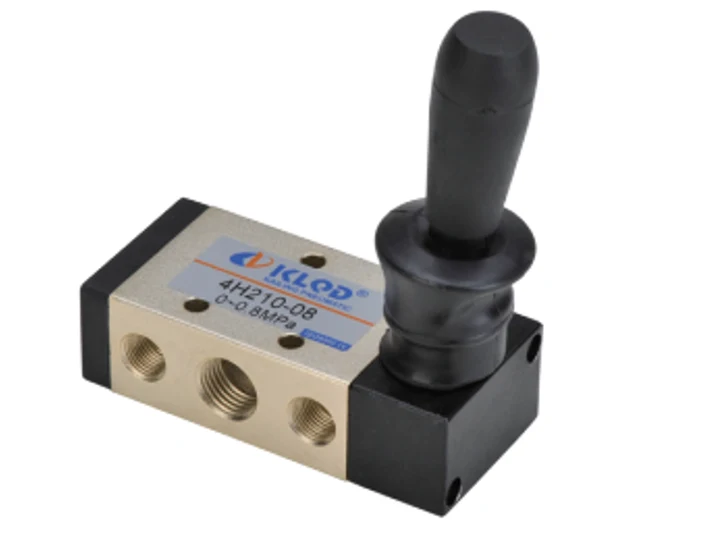
For solenoid valves and angle seat valves, the most useful evidence is product-specific: air pressure or leak test results, coil and insulation data where relevant, and life-cycle or durability testing where the application demands it. Ask that reports identify the tested model, batch and test date, so results can be tied to the shipment you actually receive. Batch traceability matters most for regulated end markets — if a field failure occurs, you need a path from the unit's marking back to production records and material certificates.
How Kailing Handles Audit Evidence Requests
Kailing maintains air-pressure quality test records for its angle seat valve production and provides audit evidence on request. For models in your RFQ, our team will confirm which documents — certificates, test reports, material and inspection records — are available, and arrange a factory visit or video audit where remote review is preferred. Buyers can review our product range and quality overview at kailingfluid.com and the quality and factory page.
Frequently Asked Questions
What documents should I request first from a pneumatic component supplier? Start with the quality management certificate including its scope, product test reports for your exact models, and material traceability for wetted parts. These three establish whether the supplier's system and evidence cover what you are actually buying.
Can I rely on a certificate copy alone during a supplier audit? No. Verify the certificate's validity and scope through the issuing body's public database, and pair it with product-level evidence such as test reports and inspection records. A valid certificate covers the management system, not the performance of a specific valve model.
What test evidence matters most for solenoid valves and angle seat valves? Pressure and leak test results under conditions matching your application, plus durability testing where duty cycles are high. Insist that reports reference the tested model, batch and date so the evidence links to your shipment.
Request Audit Documentation from Kailing
Preparing for a supplier audit or qualifying a new valve source? Send us your RFQ and the evidence list from your audit checklist, and the Kailing team will confirm available documentation for your target models and schedule a factory or video audit.
Contact Kailing Fluid: https://www.kailingfluid.com/en/
Need a quotation?
Send the page link, quantity, drawings and working conditions to Kailing for review.