Introduction
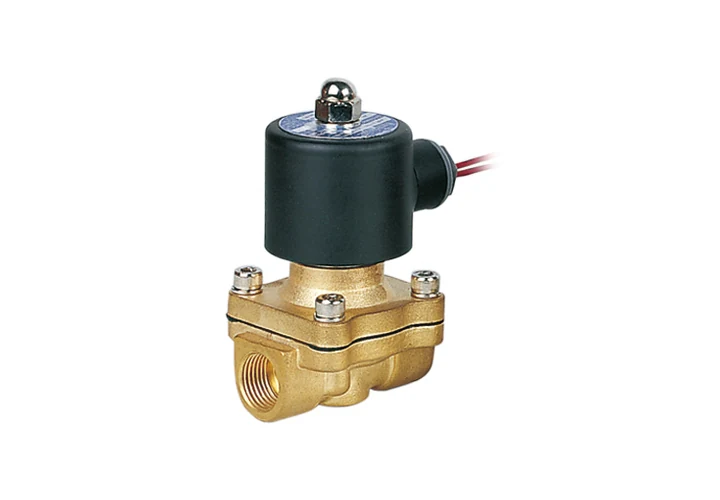
Solenoid valves are electrically actuated fluid control components that open, close or switch flow paths when a coil receives an electrical signal. Because one valve family rarely fits every medium, pressure and duty cycle, matching the valve type to the application is the key selection decision. Kailing manufactures direct-acting solenoid valves for water, air, vacuum and mildly corrosive media, in threaded and flanged versions, with coil and seal options configured per model.
Direct answer: The five most common industrial applications for solenoid valves are water and fluid handling, pneumatic automation, vacuum packaging, high-pressure lines, and large-diameter pipe circuits. Direct-acting brass valves suit general water and air duty; stainless steel bodies with EPDM or FKM seals suit corrosive or hot media; three-way direct-acting valves suit vacuum circuits. Confirm body material, seal, orifice, pressure range and coil voltage before ordering.
Application 1: Water and Fluid Handling
For water circuits, choose a direct-acting diaphragm valve whose seal matches the medium. The 2WB stainless steel series covers pure water, weak acid and weak alkali duties from DN15 to DN50. The 2WB160-15-E-S pairs a 16 mm orifice and G1/2 ports with an EPDM diaphragm rated -10 °C to +120 °C and an IP65 coil, fitting cooling loops and washdown equipment. Because it is direct-acting, the valve opens from zero pressure differential, which suits low-pressure cooling and washdown circuits. For reverse osmosis and desalination lines, the 2WB500-50 offers a 50 mm orifice with CV 48 and AC 220 V or DC 24 V coils.
Application 2: Pneumatic Automation
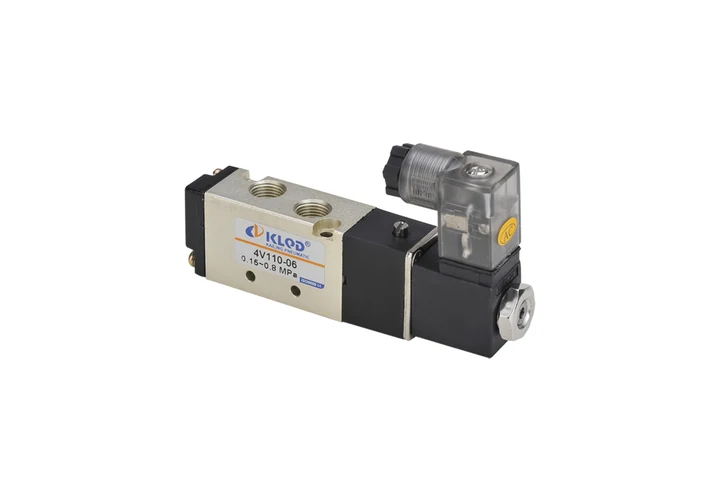
For air-operated machinery, assembly fixtures and process automation, use a pneumatic solenoid valve such as the 4V series. The 4V210-08 is commonly specified for 3C electronics assembly lines where compact footprint and repeatable cycling matter. Confirm port size, coil voltage, and whether the fixture needs a single-solenoid spring-return or double-solenoid configuration before ordering.
Application 3: Vacuum Packaging
A vacuum line has no residual pressure to open a pilot stage, so the valve must be direct-acting. The QX23 two-position three-way direct-acting valve switches between pump and vent in one compact body of roughly 41 x 95 mm, handling vacuum draw, hold and release in chamber packaging machines. Confirm the model against your cycle rate and line size before specifying.
Application 4: High-Pressure Lines
Hydraulic test rigs, cleaning systems and pressure boosting duties sit above standard water ratings, so specify a model designed for high pressure, such as the KL523 high-pressure solenoid valve series. Pressure capability differs across the range and by model, so verify the exact rating on the datasheet for your part number rather than assuming a series-wide limit.
Application 5: Large-Diameter and Flanged Lines
When threads are impractical (large pipes, joints opened for cleaning, or stainless lines where thread roots invite crevice corrosion), specify a flanged body. The 2WBF series is the flanged version of the 2WB family, available in sizes from 15 to 50, normally closed as standard with normally open options on selected models, and seals chosen by medium and temperature.
Buyer Checklist
| Parameter | What to confirm | Why it matters |
|---|---|---|
| Medium | Water, air, vacuum, or mildly corrosive fluid | Determines body material and seal compound |
| Seal | NBR, EPDM, FKM/VITON, or silicone | Seal decides chemical and temperature limits |
| Orifice and CV | Orifice diameter and flow coefficient | Undersized valves starve the circuit |
| Pressure differential | Minimum and maximum differential across the valve | Direct-acting valves open from zero differential |
| Connection | Threaded G ports or flanged | Flanges suit large or corrosion-prone lines |
| Coil voltage | AC 220 V, DC 24 V, or other | Wrong voltage stops the line |
FAQ
What is the minimum order quantity?
MOQ depends on the model and configuration. Request written confirmation with your target part number before planning a first shipment.
What is the typical lead time?
Lead time varies by series and order volume. Ask for a lead-time quote together with the model list so delivery can be planned against your project schedule.
How do I confirm the right model?
Send your medium, line size, pressure, temperature and coil voltage, or a datasheet and photos of the installed valve. The selection is then confirmed against the matching series.
Can certifications be confirmed for a specific model?
Certification availability differs by model. Request written certification confirmation for the exact part number before order placement.
Is a sample available before a bulk order?
Sample arrangements depend on the series. Raise the requirement with your inquiry so sample terms are agreed before mass production.
Sources
- User material: Kailing 2WB160-15-E-S, 2WB500-50, 2WBF and QX23 product articles
- Official/industry source: kailingfluid.com product pages for 2W and 4V series
- Manual confirmation needed: per-model pressure ratings, MOQ, lead time, sample terms and certification confirmation
Request a Selection
If you are sourcing fluid control components for water treatment, automation or packaging lines, send Kailing your medium, connection size, pressure and coil voltage, and a recommended series with model confirmation will be returned for your project review.
Need a quotation?
Send the page link, quantity, drawings and working conditions to Kailing for review.